

Is There Drug and Alcohol Testing in Snooker?
When you think of anti-doping in sports, your mind probably jumps to sprinting, cycling, or weightlifting—disciplines where explosive power and endurance are everything. Snooker, with its quiet auditoriums, crisp waistcoats, and slow-burning tension, feels a world away from all that.
But make no mistake: snooker is a professional sport, and beneath that calm surface lies an intense test of mental stamina and steady hands. Which begs the question: do snooker players actually face drug and alcohol testing?
The short answer is yes. In fact, snooker has a surprisingly long history with drug testing.
From the 1980s Party Era to Modern Regulations
If you look back at the 1980s, professional snooker looked entirely different. It was famously fueled by a rock-and-roll lifestyle. Players like Bill Werbeniuk were famous for drinking over half a dozen pints of lager during a match to counter “the yips” (severe muscle spasms affecting performance).
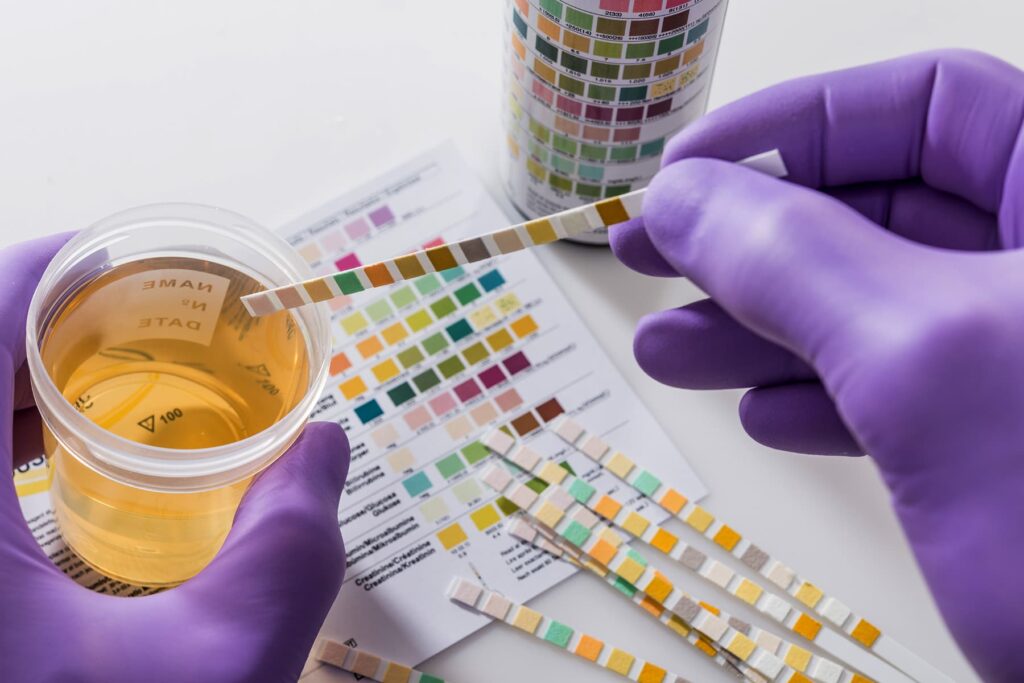
However, the game had to clean up its act to be taken seriously as a global sport. In April 1985, the World Professional Billiards and Snooker Association (WPBSA) became the first professional sports governing body to introduce an official drug testing policy. Over the decades, iconic players like Cliff Thorburn and Ronnie O’Sullivan have faced fines or stripped titles after failing tests for recreational substances.
Today, the WPBSA alignment with the World Anti-Doping Agency (WADA) means modern cueists face the same strict out-of-competition and in-competition testing standards as Olympic athletes.

What Exactly Are They Looking For?
You might wonder how a drug could possibly help someone pot a ball. While snooker players aren’t looking to build massive muscle mass, they are vulnerable to substances that can artificially alter their focus, heart rate, and nerve control.
Anti-doping agencies specifically screen snooker players for several categories:
- Beta-Blockers: These are the big ones in cue and precision sports. Beta-blockers lower blood pressure and slow the heart rate, effectively eliminating nerves and hand tremors. Because they offer an unfair advantage in keeping a player rock-steady under pressure, they are strictly prohibited.
- Stimulants: Substances that increase alertness or delay fatigue are banned in-competition to ensure players don’t get an artificial cognitive edge during marathon sessions.
- Recreational & Illegal Drugs: Substances like cocaine and cannabis violate the sport’s strict code of conduct and safety regulations.

What About Alcohol?
While WADA removed alcohol from its official list of globally banned sports substances a few years ago, snooker still enforces strict boundaries.
You won’t see pints of lager sitting on the players’ side tables anymore, only water or tea are permitted on camera. While a player might not be automatically disqualified for having a glass of wine backstage during a long mid-session interval, showing up visibly intoxicated breaks the WPBSA’s code of conduct. If a player’s drinking negatively impacts the pace of play or brings the game into disrepute, they face heavy fines and suspensions.
Ultimately, today’s snooker is a game of hyper-professionalism. The days of smoke-filled rooms and mid-match pints are long gone, replaced by strict testing to ensure that when a player clears the table, it’s down to pure talent and nerves of steel.
Contact us today to explore our expert insights, premium cues, and personalized recommendations. Cue Junction is your most trusted cue dealer in Spain. Visit our Facebook page to like and follow us. Your next great game starts here!