
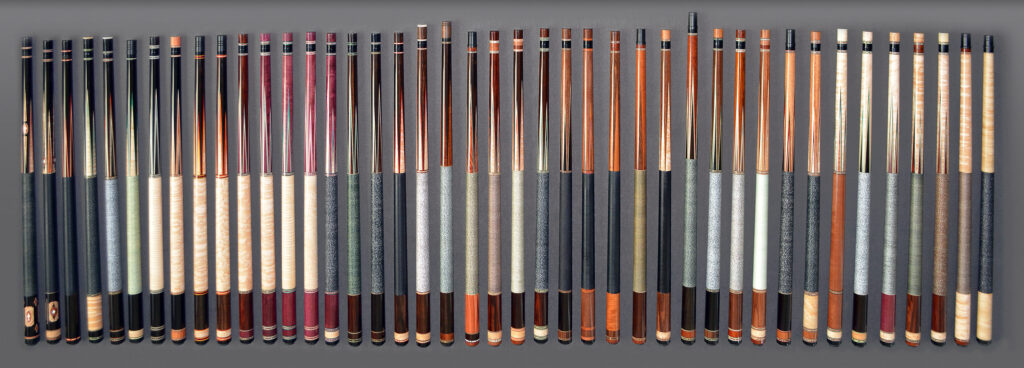
This is your journey in to Pool and Snooker Cue Collection
Want to know how to start your Pool and Snooker Cue Collection? Well, the world of billiards is rich with history, skill, and artistry, and for many, the cues themselves are the most fascinating part. Collecting pool and snooker cues is a rewarding hobby that combines an appreciation for craftsmanship, a love for the game, and the thrill of the hunt. Whether you’re a seasoned player or a newcomer to the sport, building a collection of these beautiful and functional objects is an exciting journey. Here’s how to begin.
Know Your Cues: The Basics
Before you start collecting cues, it’s essential to understand the fundamental differences between cue types and their components. Pool cues and snooker cues have distinct characteristics. Snooker cues are generally made of ash, often with a flat spot on the butt for consistent hand placement, and are typically thinner and lighter than their American pool counterparts. Pool cues, on the other hand, are often made of maple and can be heavier, with a wider range of tip sizes and tapers to suit different games like 8-ball or 9-ball.
Beyond the type of game, cues are defined by their construction and materials. Most cues today are two-piece for portability, but you’ll also find one-piece and three-quarter jointed cues, which are traditionally favored by snooker players. Key parts to scrutinize when collecting include the wood (such as maple, ebony, or exotic woods like cocobolo), the joint (the connection between the shaft and butt), and intricate inlays made from materials like mother-of-pearl or ivory. The craftsmanship of these elements is what often defines a cue’s value and collectibility.
What to Look For: Quality and Condition
When you begin collecting, the condition of a cue is paramount. A perfectly straight cue is relative. You can check this by rolling the cue on a flat surface to see if it wobbles. Look for any signs of warping, cracks in the wood or ferrule, and a secure, seamless joint. The finish should be smooth, with no blemishes or scratches that might indicate misuse or poor care.
For antique or vintage cues, an original, untouched condition is often more valuable than a restored one. A cue that has maintained its original length, lacquer, and a readable, complete badge is highly prized by collectors. Be wary of cues that show signs of significant repair or mismatched woods, as this can suggest underlying structural issues.
The Search for Collectible Cues
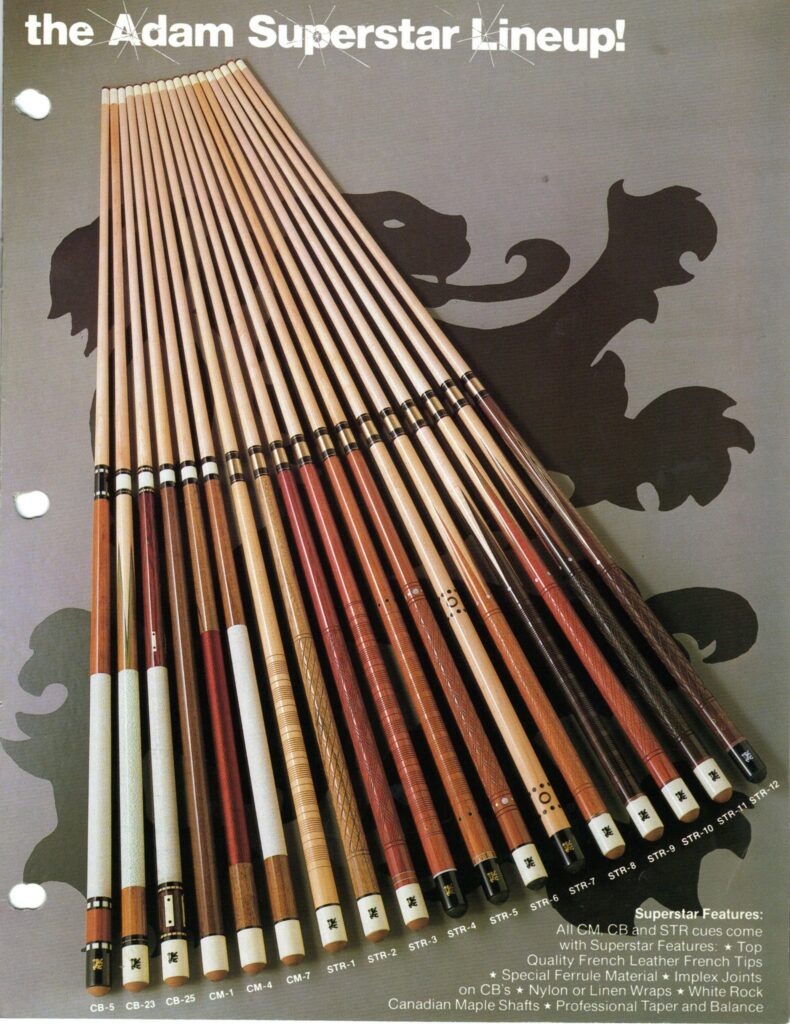
The collecting world is vast, with cues ranging from factory-made classics to one-of-a-kind custom creations. A great place to start is by familiarizing yourself with famous cue makers. In the American pool cue market, names like Balabushka, Joss, Viking, McDermott, and Meucci are highly sought after. For snooker, classic English makers like Peradon, Burroughes and Watts, and Riley are legendary. Knowing these names will help you identify cues with a history and potential value.
Online forums and dedicated billiards marketplaces are fantastic resources for a budding collector. Communities like those online are invaluable for their wealth of knowledge and for connecting with other collectors. Local billiard halls, antique shops, and estate sales can also be treasure troves, where you might stumble upon a hidden gem.
Authenticity and Valuation
As you delve deeper, you’ll encounter the topic of authentication. High-end and custom cues, especially those from revered makers, can be faked. It’s crucial to buy from reputable dealers and, whenever possible, to verify the cue’s provenance. Some cues have serial numbers or unique maker marks that can be cross-referenced. For a significant purchase, it may be worth getting a professional appraisal from an expert who can confirm the cue’s maker and value. Remember that the market is constantly changing, so a cue’s value is often a matter of demand among collectors at any given time.
Collecting pool and snooker cues is a journey of discovery. It’s about more than just the price tag; it’s about the stories a cue can tell, the history it represents, and the artistry of its creation. By starting with the basics, doing your research, and connecting with the billiards community, you’ll be well on your way to building a collection you can be proud of.
Cue Junction is here for you!
So you want to be more informed in how to start your Pool and Snooker Cue Collection? Whether it’s for cue valuation of a cue you already own, or just a chat regarding an upcoming cue investment. Cue Junction is your cue collection partner.