
Layered vs. Standard Cue Tips: Which is Better?
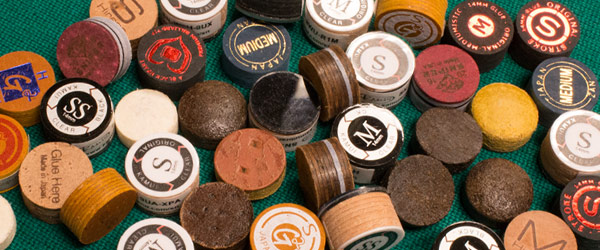
When it comes to cue sports like pool and snooker, the tip of your cue is one of the most important factors influencing your performance. The cue tip is the point of contact between the cue ball and your stroke. It directly impacts spin, control, and consistency. Players are often faced with a choice: layered cue tips or standard (single-piece) cue tips. Both have their own advantages. The “better” option really depends on the player’s style, preferences, and priorities.
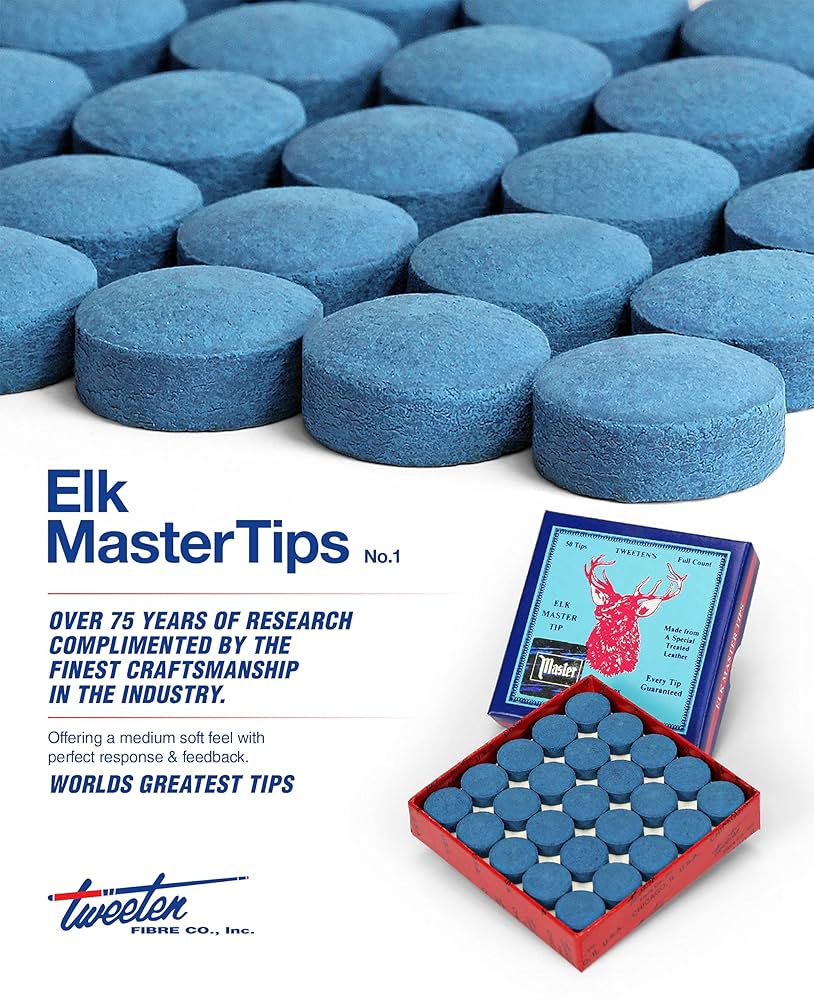
Standard Cue Tips – The Traditional Choice
In the past, standard tips were the only option. These tips are made from a single piece of pressed leather, most commonly pigskin or cowhide. Depending on how tightly the leather is compressed, the tip can be classified as soft, medium, or hard.
- Soft tips grip the cue ball well, making it easier to apply spin, but they also tend to mushroom (expand around the edges) and wear down faster.
- Hard tips last longer, hold their shape better, and provide a crisp hit, but can sometimes feel less forgiving and transfer less spin.
- Medium tips strike a balance between the two, which is why they’re often preferred by casual players.
Standard tips are affordable and easy to replace. They’ve been trusted for over a century by amateurs and professionals alike. Some legendary players still prefer the “feel” of a single-piece leather tip, as it provides a direct and traditional feedback that’s hard to replicate.
The Rise of Layered Cue Tips
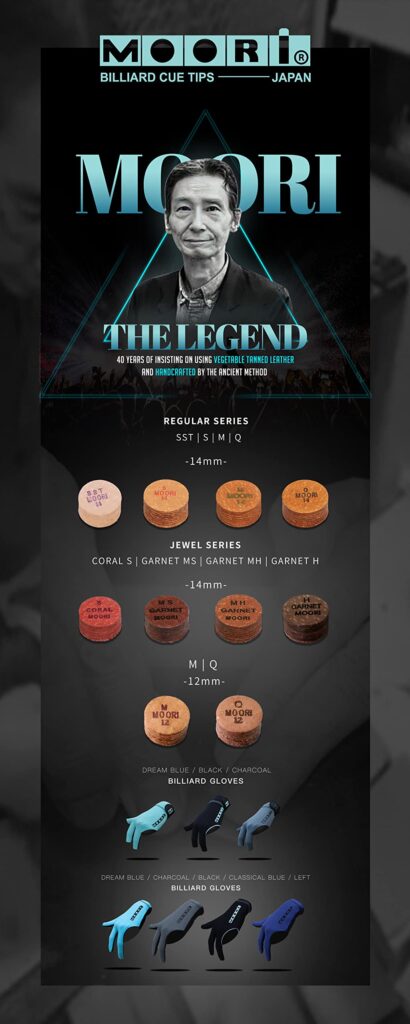
In the mid-1990s, a Japanese company called Moori changed the game with the introduction of layered cue tips. Instead of being cut from a single piece of leather, these tips are constructed by stacking multiple thin layers of specially treated pigskin. They are then compressed, and bonded together.
Moori’s innovation quickly gained attention in the pool world because it solved one of the biggest problems with standard tips: inconsistency. A traditional single-piece tip might vary in density or reaction depending on the section of leather it was cut from. With layered tips, every layer is uniform, resulting in more consistency across the entire tip.
By the early 2000s, layered tips had exploded in popularity. Professional players embraced them, cue makers recommended them, and other brands (like Kamui, Zan, and Predator) entered the market with their own variations. Today, layered tips are widely regarded as the premium option.
Advantages of Layered Cue Tips
Consistency – Each hit feels nearly the same, thanks to the layered design.
Durability – Properly made layered tips resist mushrooming and hold their shape longer.
Spin and Control – They tend to grip the cue ball better, giving players more precise control over English (side spin).
Performance Range – Available in various hardness levels, they allow players to fine-tune feel and response.
Advantages of Standard Cue Tips
Cost-Effective – Single-piece tips are much cheaper than layered alternatives.
Classic Feel – Some players believe standard tips provide a more “natural” hit.
Easier Maintenance – They can be shaped and repaired more simply.
Widely Available – Found in nearly every pool hall or cue shop
Which is Better?
The truth is, neither option is universally “better.” Instead, it comes down to player preference.
- If you’re a serious player seeking consistency, durability, and maximum cue ball control, a layered tip may give you the edge. That’s why many professionals swear by them.
- If you’re a casual player, or if you prefer the traditional feedback of a single-piece tip, a standard option may serve you perfectly well. It will be quite economical also.
In fact, some professionals still play with standard tips, proving that skill and comfort often matter more than technology.
Final Thoughts
Layered vs. Standard Cue Tips doesn’t have a straightforward answer as initially perceived. The introduction of Moori’s layered tips in the 1990s marked a turning point in cue sports equipment, offering a new level of performance and reliability. Since then, layered tips have dominated the high-end market, but standard tips continue to hold their place thanks to their affordability and classic feel.
Ultimately, the best cue tip is the one that complements your playing style. Whether you choose a layered or standard tip, proper maintenance—like regular shaping and chalking—is what truly ensures your cue performs at its best.
Contact us today to explore our expert insights, premium cues, and personalized recommendations. Cue Junction is your most trusted pool and snooker cue dealer in Alicante, and the most respected cue seller in Spain Your next great game starts with us!