

Walking into a pool room and grabbing a house cue from the wall is a rite of passage. But if you are ready to move past casual games and truly develop your skills, relying on warped, worn-out house cues with completely flattened tips will actively hold you back.
Consistency is the absolute secret to pocketing more balls and controlling the cue ball. When you play with a different house cue every week, your hands have to adjust to varying weights, shaft diameters, balances, and tip conditions. Investing in your own beginner-friendly pool cue removes those variables.
Choosing your first cue can feel overwhelming with all the talk about low-deflection shafts, pin sizes, and wrap styles. This guide breaks down exactly what to look for so you can invest your money wisely.
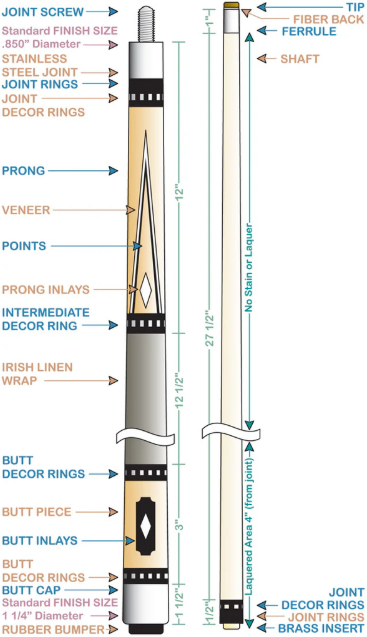
Anatomy of a Pool Cue
Before looking at specific features, it helps to understand what parts make up a standard two-piece pool cue. Having a grasp on these terms ensures you know exactly what you are paying for.
What Makes a Great Beginner Cue?
As a beginner, you do not need a four-figure custom cue or an ultra-low-deflection carbon fiber shaft. In fact, starting out with high-end, specialized gear can sometimes mask mechanical flaws in your stroke. Instead, look for a dependable, well-crafted two-piece cue made from solid wood.
The most critical factors to consider when choosing your first cue include material, weight, tip diameter, and the joint type.
Shaft Material: Hard Rock Maple is King
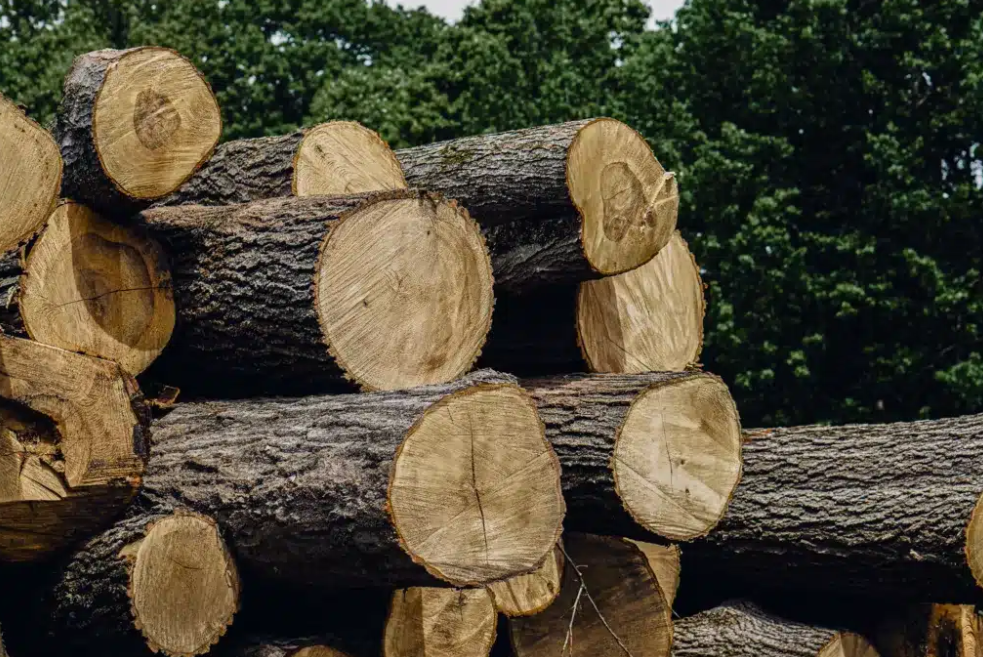
While you will see budget cues made of fiberglass, graphite, or cheap ramin wood on the market, you should stick to North American Hard Rock Maple for your first real cue. Some would prefer ash if your game is english pool or snooker.
Maple has been the industry standard for decades for good reason. It provides a distinct, organic feedback (the “feel” of the hit) that helps you intuitively learn how much force you are transferring to the ball. Fiberglass or coated cues may resist warping if left in a car trunk, but they tend to feel numb, vibrate poorly, and get sticky in your bridge hand.
Cue Weight: Stick to 19oz or 20oz
Pool cues typically range from 18 to 21 ounces. Many beginners instinctively reach for the heaviest cue available (21 ounces), thinking the extra mass will generate more power automatically.
However, a heavier cue makes it harder to develop subtle cue ball control and fine touch. On the flip side, an 18-ounce cue requires precise timing and a very smooth acceleration.
- The Sweet Spot: Start with a 19oz or 20oz cue. It provides enough weight to plow through the balls comfortably while giving you excellent control over your speed.
- Pro Tip: Look for a cue with an adjustable weight-bolt system in the butt sleeve. This allows you to screw in different weights later on as your stroke evolves.
Tip Diameter and Hardness
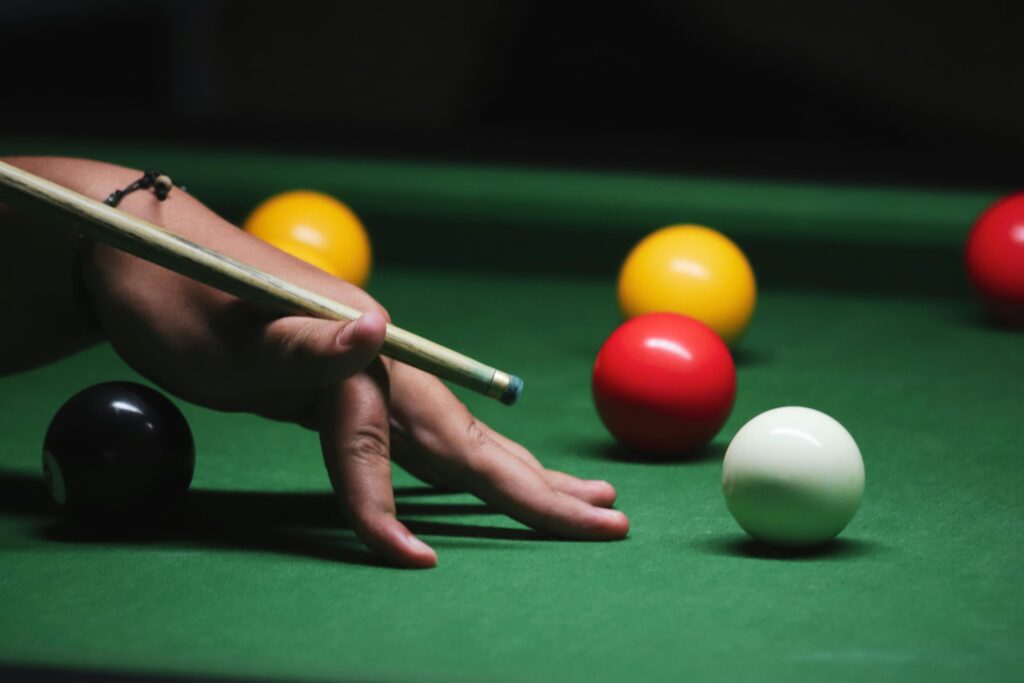
The business end of the cue is where the magic happens. For standard American pool, most beginner cues come with a shaft diameter between 12.75mm and 13mm.
A wider 13mm tip provides a larger surface area, making it more forgiving if your strike is slightly off-center. It helps reduce accidental spin (English), which is the number one cause of missed shots for developing players.
- Tip Hardness: Look for a medium leather tip. Hard tips last forever but don’t hold chalk as well, increasing your chances of miscuing. Soft tips grip the ball beautifully but mushroom quickly, requiring constant maintenance and trimming. A medium tip gives you the best of both worlds.
The Joint: Metal vs. Wood-to-Wood
The joint connects the shaft to the butt. For a beginner, the exact thread type (like 5/16×18 or Uni-Loc) matters less than the overall build quality.
- Metal Joints: Usually feature a stainless steel collar. They deliver a crisp, firm, and “hard” hit.
- Wood-to-Wood Joints: Impart a softer, more traditional feel where you can feel the vibration all the way down into your grip hand.
Both options are completely fine for beginners. The key is ensuring the joint aligns perfectly flush when screwed together, with no gaps or catching edges.
Buying Checklist: Features to Prioritize
When comparing entry-level models, use this quick checklist to separate gimmicks from actual value:
| Feature | What to Look For | Why It Matters |
| Construction | 2-Piece (True straight pull) | Allows for easy transport and future shaft upgrades. |
| Wrap Type | Irish Linen or No-Wrap | Irish linen absorbs hand sweat beautifully. Sleek, wrap-less wood is also great if you prefer a consistent feel. Avoid cheap nylon wraps that unspool over time. |
| Ferrule | High-impact resin | Protects the wood shaft from cracking under heavy impacts (like breaking). |
| Warranty | Warpage protection | Some reputable manufacturers offer limited lifetime warranties against warpage, which is a massive safety net. |
Avoid These Common Beginner Mistakes
Going Too Cheap on “Cue Kits”
It is tempting to buy a 4-pack of cues with a vinyl bag for a rock-bottom price online. These are almost always mass-produced with low-grade timber that will warp within a few months of changing humidity. It is vastly better to spend your entire budget on a single, high-quality entry-level cue from an established billiard brand.
Treating a Shooting Cue Like a Break Cue
Once you get your own cue, do not use it to smash the initial break. Hard breaks put massive stress on the tip, ferrule, and joint collar. Over time, breaking with your primary playing cue can compress the tip completely flat or loosen the joint components. Use a heavy house cue for the break, and save your personal cue for precise shooting.
Caring For Your New Investment
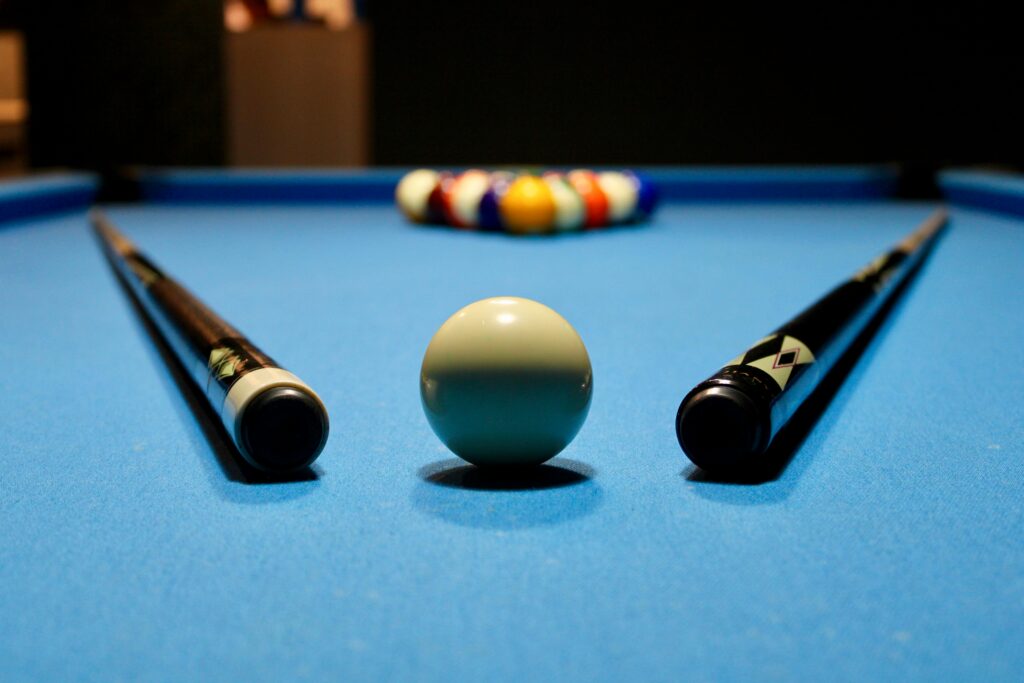
Owning a personal cue comes with a little bit of homework. To ensure your maple shaft stays smooth and straight for years, follow these basic care rules:
- Never lean it against a wall: This is the easiest way to warp wood. Always use a proper cue claw or lay it flat on a table when it’s your opponent’s turn.
- Control the temperature: Never leave your cue case in a cold or boiling hot car trunk. Rapid temperature and humidity swings are wood’s worst enemy.
- Clean with a dry microfibre cloth: Avoid using wet towels or harsh abrasives on your shaft. A quick wipe-down with a clean, dry cloth after every session removes hand oils and chalk dust efficiently.
Taking the leap and buying your first pool cue changes how you approach the game. When you step up to the table knowing your equipment is perfectly straight, weighted exactly to your liking, and equipped with a properly shaped tip, you can stop worrying about the gear and focus entirely on your fundamentals.
You may also be interested in Finding Your Perfect Match: Why Weight and Balance Matter in Pool Cues.
Contact us today to explore our expert insights, premium cues, and personalized recommendations. Cue Junction is your most trusted cue dealer in Spain. Visit our Facebook page to like and follow us. Your next great game starts here!