

Let us start by saying that Cue Junction pays tribute to everyone that contributes to making our environment and sport sustainable. When choosing a premium pool or snooker cue, players meticulously evaluate taper, balance, weight, and deflection. Yet, in today’s environmentally conscious world, a critical new variable has entered the equation: The Sustainability of Cue Sports Woods. The soul of any cue lies in its wood, historically sourced from both local forests and exotic tropical regions. While North American hardwoods like Maple and Ash have become industry benchmarks for eco-friendly manufacturing, the status of exotic favorites like Ebony and Rosewood tells a much more complicated story.
The North American Gold Standard: Maple and Ash
For decades, Hard Rock Maple (Acer saccharum) and White Ash (Fraxinus americana) have been the undisputed kings of cue making. Maple dominates the American pool market due to its high density, striking white appearance, and low-deflection characteristics. Conversely, Ash is the traditional choice for British snooker cues, beloved for its pronounced grain patterns and flexible, whip-like responsiveness.
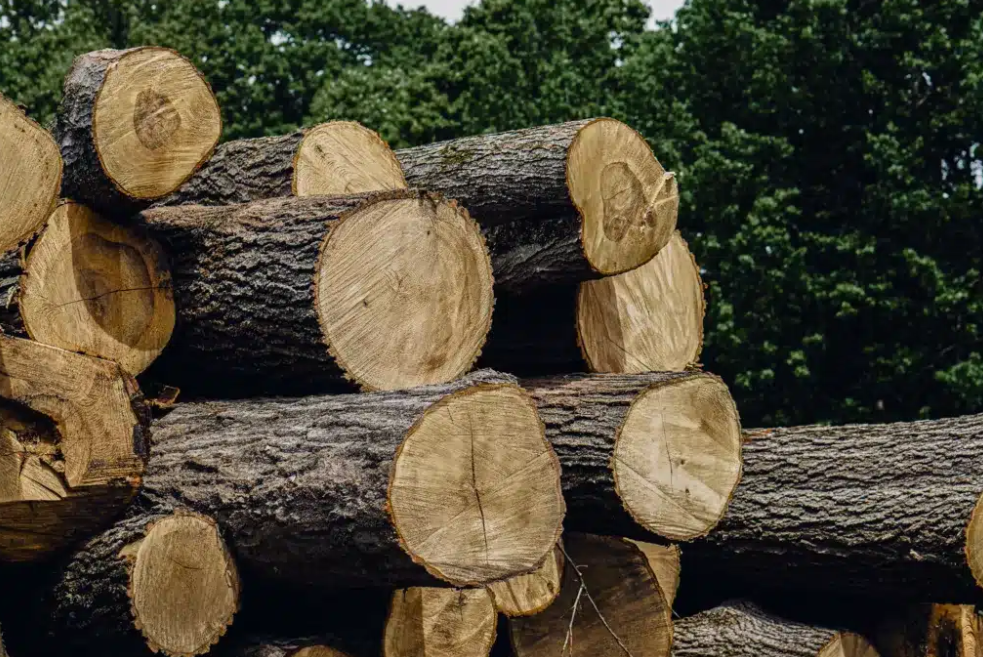
Beyond their mechanical perfection, both woods represent a triumph of modern, sustainable silviculture. Grown abundantly across Canada and the northeastern United States, Maple and Ash are managed under some of the world’s strictest forestry regulations, such as those enforced by the Sustainable Forestry Initiative (SFI) and the Forest Stewardship Council (FSC).
North American forest management relies on long-term rotation cycles and selective harvesting, ensuring that overall forest volume expands rather than depletes. Because these trees are native to the continent where many major cue manufacturers operate, the carbon footprint associated with logging, processing, and transportation remains remarkably low. When you purchase a North American Maple or Ash cue, you are supporting a highly regulated, rapidly regenerating, and localized supply chain.

The Exotic Dilemma: Ebony and Rosewood
To add weight, balance, and aesthetic luxury, cue makers frequently turn to exotics like African Ebony (Diospyros crassiflora) and East Indian Rosewood (Dalbergia latifolia) for the cue’s butt section. These woods are highly prized for their deep, rich colors, immense density, and natural oil content, which eliminates the need for heavy artificial finishes. However, their environmental footprint is vastly different from their North American counterparts.
Ebony and Rosewood are slow-growing tropical species that take up to a century to reach mature, harvestable sizes. Historically, soaring global demand led to severe overexploitation, illegal logging, and habitat destruction in vulnerable ecosystems across Madagascar, Central Africa, and Southeast Asia.
Consequently, virtually all true Rosewoods (Dalbergia species) and several Ebony species are heavily restricted under CITES (Convention on International Trade in Endangered Species of Wild Fauna and Flora). Appendix II listings mean that international trade is strictly monitored, requiring legal permits proving that the timber was sustainably and legally harvested.

Are Ebony and Rosewood Sustainable Today?
The short answer is: it depends entirely on sourcing. While historically devastating, the exotic timber industry has undergone significant reform. Today, companies like Crelicam in Cameroon have revolutionized ebony harvesting by paying fair wages, planting multi-species nurseries, and utilizing “marbled” or streaked ebony that was previously discarded in favor of pure black wood.
Therefore, Ebony and Rosewood can be sustainable, but only if the cue manufacturer can verify a transparent chain of custody backed by FSC or CITES certification.
The Verdict for Players
For players looking to minimize their environmental impact, North American Maple and Ash remain the safest and most inherently sustainable choices. If your heart is set on the striking contrast of an Ebony or Rosewood butt, look for custom cue makers who actively source certified, ethically harvested exotic woods. By demanding transparency, players can ensure that the tools of their sport protect the world’s forests for generations to come.
Contact us today to explore our expert insights, premium cues, and personalized recommendations. Cue Junction is your most trusted cue dealer in Spain. Visit our Facebook page to like and follow us. Your next great game starts here!
