
Cheap cues
When people first get into pool, it’s tempting to buy the cheapest cue available. After all, a cue is just a stick, right? Unfortunately, that mindset usually leads to frustration, wasted money, and slower improvement. While budget matters, extremely cheap pool cues often create more problems than they solve.
A quality cue is not about showing off. It’s about consistency, control, and enjoyment. If you’re serious about improving your game, even casually, investing in a decent cue makes a huge difference.
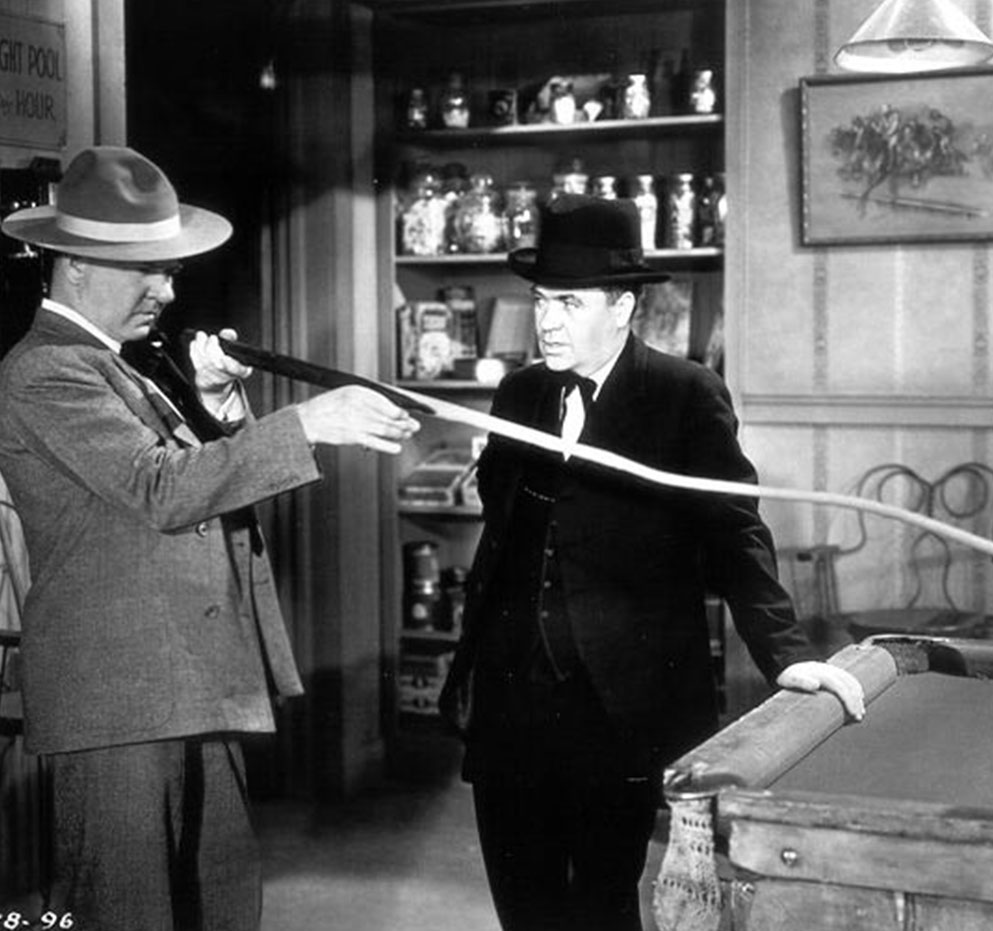
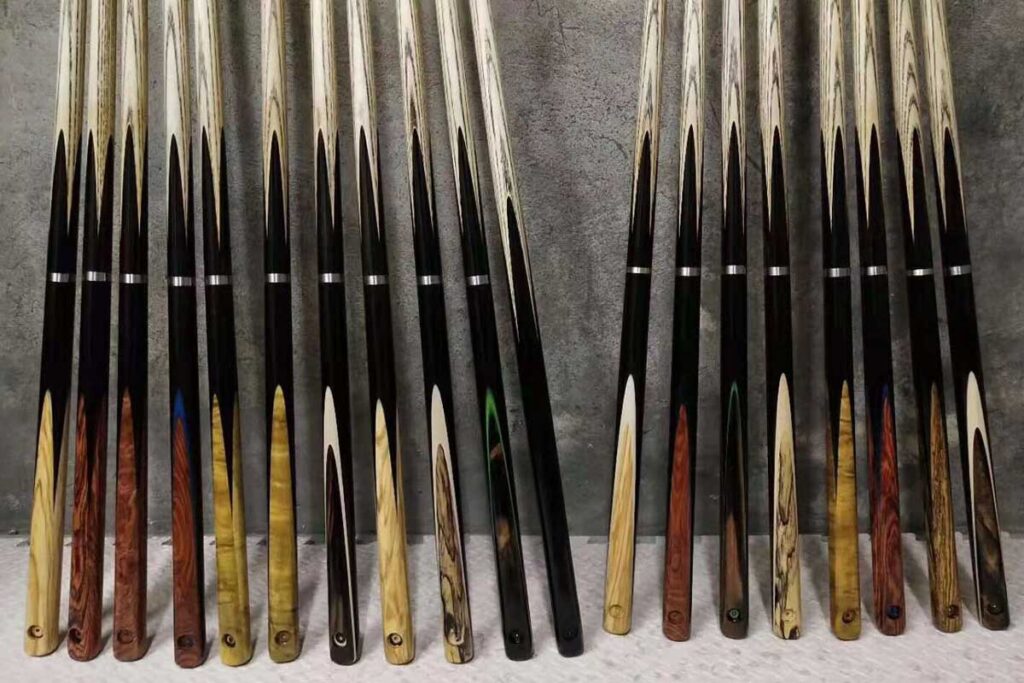
Cheap cues are usually made with low-grade wood and poor construction methods. Many are warped straight out of the box or develop bends after only a short time. A warped cue affects accuracy and cue ball control, making it difficult to develop consistent fundamentals. Instead of learning proper technique, players end up compensating for flaws in the cue itself.
Balance, materials and durability
Another major issue is poor balance. A well-made cue feels natural in your hands. The weight distribution helps your stroke remain smooth and controlled. Cheap cues often feel uneven, overly heavy in one area, or unstable during shots. This makes it harder to build confidence and muscle memory.
The tip is another area where cheap cues disappoint. Low-quality tips harden quickly, lose shape, and fail to grip the cue ball properly. That means less spin, less control, and more miscues. Many beginners blame themselves when shots go wrong, when in reality the equipment is working against them.
Durability is also a problem. Cheap cues commonly suffer from loose joints, poor finishes, cracked ferrules, or peeling wraps. What initially seems like a bargain often ends up needing repairs or replacement sooner than expected. In many cases, players buy two or three cheap cues before finally purchasing one reliable cue that they should have bought in the beginning.
A matter of consistency and feel
There’s also the issue of consistency between shots. Good cues are designed to deliver predictable feedback every time you strike the cue ball. That consistency helps players improve faster because they can trust what they feel. Cheap cues tend to produce inconsistent reactions, making it difficult to understand whether mistakes come from the player or the equipment.
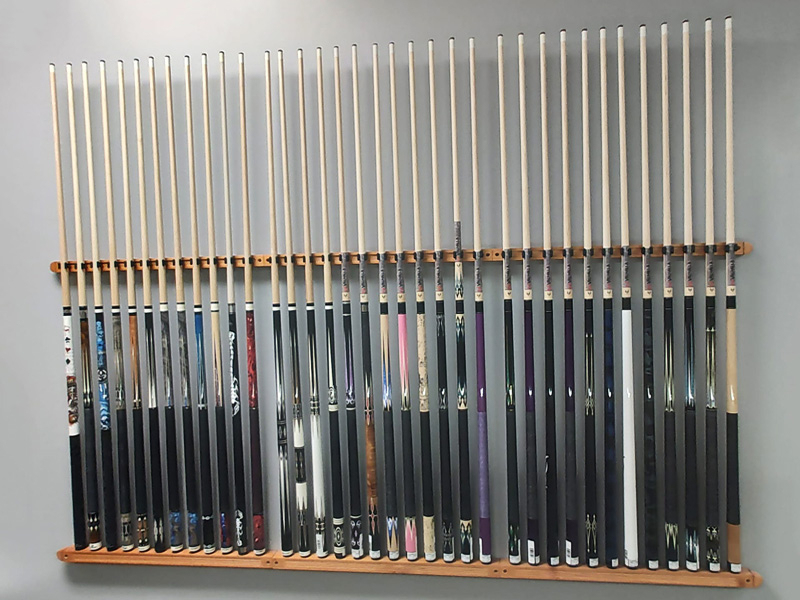
A quality cue doesn’t have to cost a fortune. There are excellent entry-level and mid-range cues available that offer solid craftsmanship, reliable performance, and long-term value. The goal is not to buy the most expensive cue possible. The goal is to avoid buying something so poorly made that it holds your game back.
The smart move
Pool is a game of precision, touch, and confidence. If your cue constantly works against you, the game becomes less enjoyable. A decent cue encourages better habits, smoother strokes, and greater confidence at the table.
In the end, cheap pool cues are rarely a real savings. They cost players time, consistency, enjoyment, and eventually more money. A good cue is an investment in your game — one that pays off every time you step to the table.
For players looking to improve and enjoy the game properly, choosing quality over the cheapest option is always the smarter move.